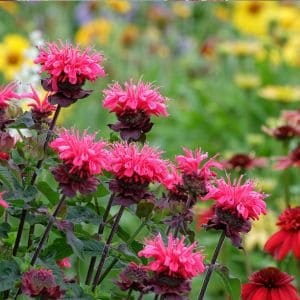
If you’re looking for the ultimate pollinator magnet to bring your bee garden ideas to life, look no further than the vibrant and aromatic bee balm.
This post may contain affiliate links.
Known for its shaggy, colorful blooms that hummingbirds and bees simply can’t resist, this perennial is a must-have for any backyard sanctuary.
However, without the right approach, this hardy plant can quickly become a bit of a garden headache, falling victim to powdery mildew or aggressively taking over your entire flower bed.
To ensure your garden stays healthy and beautiful, mastering proper bee balm care is essential.
In this guide, we’ll dive into the most common mistakes gardeners make and share expert bee balm gardening tips to help your Monarda thrive and keep your local pollinators coming back for more.
Related Article: How to Grow Bee Balm from Cuttings: A Step-by-Step Guide
Top 5 Mistakes to Avoid While Growing Bee Balm
When growing bee balm, some common errors can slow its growth or harm the plant. Paying attention to soil, sunlight, space, and disease signs will help your bee balm thrive.
Related Article: How to Make Bee Balm Tea for a Refreshing and Soothing Drink
Planting Bee Balm in Poorly Drained Soil
Bee balm does not like standing water. If your soil holds too much water, the roots can rot. This stops the plant from growing well or creates dead patches.
To avoid this, plant bee balm in soil that drains well. You can improve drainage by mixing sand or organic matter like compost into heavy clay soils. If your garden is low or soggy, consider raised beds.
Check the soil moisture often. It should feel damp but not soggy. If water pools after rain, move your plants or fix the spot before planting.
Related Article: The Best Companion Plants for Bee Balm
Neglecting Sunlight Requirements
Bee balm grows best with at least 6 hours of direct sunlight daily. Without enough sun, the plant may become leggy and flower less.
Make sure the spot you choose has full sun or only light shade in the afternoon. If your bee balm gets mostly shade, expect weaker growth and fewer blooms.
If your garden is shady, try trimming nearby trees or planting bee balm in pots you can move to sunnier areas.
Related Article: How to Harvest and Dry Bee Balm for Perfect Tea and Herbal Remedies
Overcrowding Plants
Bee balm spreads quickly, so giving it enough space is key. Plants placed too close compete for water, nutrients, and air.
Related Article: Bee Balm 101: The Pollinator Plant Every Garden Needs
Crowded plants are more likely to get diseases like powdery mildew. Space your bee balm about 18 to 24 inches apart to keep them healthy.
Proper spacing helps air flow around plants, reducing dampness on leaves. This simple step will prevent many problems.
Related Article: What Not to Plant with Bee Balm: Avoiding Harmful Companions
Ignoring Signs of Powdery Mildew
Powdery mildew looks like white, powdery spots on leaves. It spreads fast, especially in crowded, humid places.
Check your plants regularly. If you see powdery mildew, remove affected leaves, and avoid watering leaves directly.
You can use a fungicide made for powdery mildew or spray a mix of water and baking soda. Good air flow and space also keep mildew away.
Related Article: The Best Time to Cut Back Bee Balm (and Why It Matters)
Quick tips to avoid the top mistakes:
- Plant bee balm in soil that drains well.
- Ensure at least 6 hours of sunlight daily.
- Space plants 18-24 inches apart.
- Watch for white spots and treat mildew early.
Maintaining Healthy Bee Balm Plants
To keep your bee balm strong and blooming, you need to be careful with feeding and cutting back the plant. Too much fertilizer or wrong pruning can hurt your plants more than help them.
Overfertilizing Bee Balm
Giving your bee balm too much fertilizer can cause weak stems and fewer flowers. Bee balm does well with moderate feeding. Use a balanced fertilizer with equal parts nitrogen, phosphorus, and potassium.
Apply fertilizer once in early spring. Avoid fertilizing late in the season since this can lead to soft growth that is more likely to get diseases.
Watch for signs of too much fertilizer, like yellow or curled leaves. If this happens, cut back on feeding and water the plant well to flush excess nutrients from the soil.
Improper Pruning Practices
Pruning at the wrong time can reduce your bee balm’s blooms. Cut back spent flowers regularly during growing season to encourage new buds.
Wait until late winter or early spring to cut the whole plant back to about 6 inches above the ground. This helps the plant stay healthy and grow thick stems.
Avoid heavy pruning in fall as this can make the plant vulnerable to winter damage. Use clean scissors to reduce the risk of spreading disease when you prune.
Follow my Bee Balm board on Pinterest.